Mamdani Has An 'N.Y.C. Groceries' Plan - All You Need To Know
What's Inside Mayor Zohran Mamdani's 'N.Y.C. Groceries' Program? Here's What We Know

- The program aims to reduce average household grocery bills by $90 per month.
As grocery prices continue to rise, Mayor Zohran Kwame Mamdani, Deputy Mayor for Economic Justice Julie Su, and the New York City Economic Development Corporation (NYCEDC) have announced a new initiative aimed at making food more affordable for New Yorkers. On July 27, city officials unveiled “N.Y.C. Groceries: A Recipe for Affordability,” a plan to open five municipally supported grocery stores that will offer a core basket of everyday groceries at prices 30% lower than traditional supermarkets.
“N.Y.C. Groceries: A Recipe for Affordability:” How does it work?
The discounted basket will include fresh fruits and vegetables, meat, seafood, dairy products, refrigerated goods, pantry staples, and approximately 20 additional grocery categories. The reduced prices will be available to all shoppers, regardless of income, with prices locked in and updated on a predictable schedule rather than changing weekly, as is common at private grocery stores.
City officials estimate the program will reduce the average household grocery bill by about 15%, saving New Yorkers roughly $90 per month, or nearly $1,000 annually.
To move the project forward, Mayor Zohran Mamdani has also issued a Request for Proposals (RFP) seeking experienced grocery operators or firms to manage one or more of the municipal stores. Selected operators will oversee daily operations, including merchandising, staffing, inventory, and compliance with strong labor standards.
The municipal grocery network is a key part of the Mayor’s Affordability Agenda and is designed to help residents across all five boroughs, including the more than 40% of New York families who struggle to afford food.
The first store is expected to open by the end of 2027 in Hunts Point, Bronx, where approximately 77% of households struggle to afford basic necessities. Notably, the Office of New York State Comptroller found that in 2022, the Bronx had the highest percentage of residents who experienced food insecurity at 20.2%.
One store is planned for each borough, with another location already identified at La Marqueta in East Harlem. All five stores are expected to be operating before the end of Mayor Mamdani’s first term. The city has committed $70 million in capital funding for the project in partnership with NYCEDC.
“Every week, New Yorkers walk into a grocery store hoping the prices haven’t gone up again,” said Mayor Mamdani in a press release. “A trip to the grocery store shouldn’t spell dread for New Yorkers. That’s why we are guaranteeing a 30 percent discount on the most common and most critical groceries for families across the five boroughs — including eggs, milk, chicken and fresh fruits and vegetables. In a city that’s defined by unpredictability, you deserve stability — no matter what aisle you’re in.”
“Groceries are one of the clearest places New Yorkers feel the cost of living every week,” added Julie Su, Deputy Mayor for Economic Justice. “This administration is building a grocery store model that puts affordability first, with a 30 percent discount on essential foods and quality jobs for the people who run these stores. That’s what it means to make this city work for working people.”
Inside the “N.Y.C. Groceries: A Recipe for Affordability” Plan.
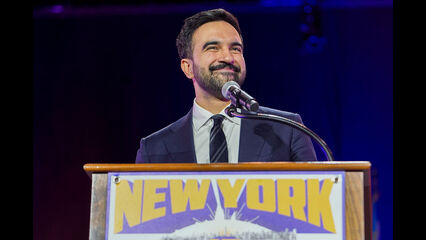
The city’s affordability blueprint is organized around nine key areas that outline how the “N.Y.C. Groceries: A Recipe for Affordability” program will operate. Mayor Mamdani’s plan begins by addressing the growing need for affordable food, recognizing that nearly 80% of New Yorkers are concerned about rising grocery prices and a push to help families, who should be able to purchase basic groceries without spending an unreasonable share of their income.
The initiative introduces a first-of-its-kind model among major U.S. cities by pairing municipally supported supermarkets with private grocery operators to lower prices, expand food access, and maintain high standards for quality and accountability. To ensure affordability, operators will be required to stock essential food categories, provide transparent pricing, and keep prices on core grocery items locked monthly with periodic adjustments based on market conditions.
The plan also calls for strong public and stakeholder engagement through an interagency task force focused on food policy, labor protections, consumer affairs, and planning, while giving residents opportunities to provide feedback on how stores serve their communities. In addition, operators will be required to offer family-sustaining wages, employee benefits, and commit to a Labor Peace Agreement, reflecting the administration’s goal of pairing affordable groceries with quality jobs.
The plan comes at a critical time as rising prices strain American households.
The plan comes at a critical time as grocery prices continue to strain household budgets across the country. According to data from Groceries Tracker, the average monthly grocery bill in the United States for 2026 is approximately $485 for a single adult, $895 for two adults, and $1,430 for a family of four. Those figures have increased from 2025, when Instacart reported that the average monthly grocery cost under a moderate-cost food plan was about $365 per adult between the ages of 20 and 50 in a four-person household with two men and two women. At the time, Instacart also ranked New York as the state with the 11th-highest average grocery costs in the nation, with residents spending approximately $442 per month on groceries.
SEE MORE:
From Groceries To Cyberattacks: How The Iran War Is Affecting The US
USDA To Grocers: No Discounts For SNAP Recipients
What's Inside Mayor Zohran Mamdani's 'N.Y.C. Groceries' Program? Here's What We Know was originally published on newsone.com


