7 Things Teachers Wish Parents Would Actually Do
Teacher Appreciation Week Reality Check — 7 Things Teachers Wish Parents Would Actually Do


Teacher Appreciation Week is here, running from May 4 through May 8, 2026. While this week celebrates educators, it also underscores an important message for parents: success in school is a shared effort. Teachers and parents are partners, and when that partnership is strong, students are more likely to thrive both academically and emotionally.
Here are seven things teachers want parents to know as we honor Teacher Appreciation Week.
1. Stay involved with your child’s education.
One of the biggest takeaways during Teacher’s Appreciation Week is how important it is for families to stay involved. Teachers consistently stress that learning doesn’t stop when the school day ends. Supporting children at home, whether that means asking about their day or helping them stay on top of assignments, reinforces what’s happening in the classroom.
As former NYC public school teacher Karen Aronian explained to Parade in 2024, “Parents must thread the needle after school and oversee homework.” Dr. Ruslan Slutsky, Ph.D., another educator, noted that engaged parents help children feel more motivated because they see how much their education matters.
“When parents stay engaged and active, it motivates kids to do better in school because they see the value,” Dr. Slutsky says. “Their parents are talking about it…they come to the classroom with a different motivation.”
RELATED CONTENT: Georgia Kindergarten Teacher Motivates Sweet Student Whose Potty Mouth Disrupts The Lesson
2. Create daily habits that travel to school.
Daily habits at home also play a major role in student success, another key point teachers want parents to know. Simple routines like checking folders, reviewing assignments, and keeping communication open can make a big difference, helping reinforce the educational foundation teachers have established well after class ends.
3. Don’t do your child’s homework and establish discipline.
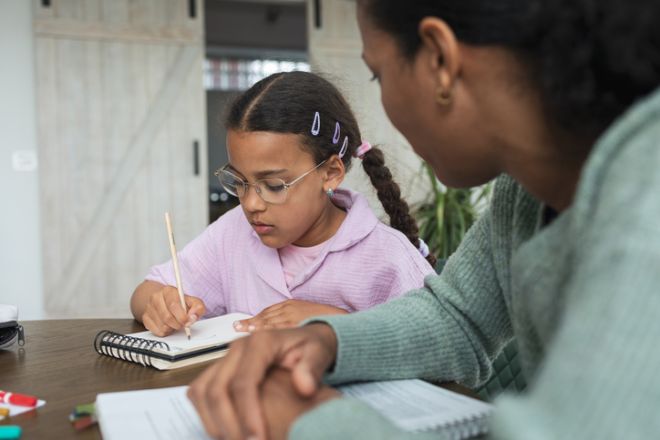
When it comes to homework, teachers are clear about one thing: support your child, but don’t do the work for them. They should be able to accomplish their work on their own.
Third-grade teacher Stacey Nelson shared with CNN, “Please don’t just tell [them] the right answer. That defeats the purpose of homework!” Encourage them to work through the problem and check in regularly with teachers at school to see how help could be further administered.
4. If your child is misbehaving at school, it’s time to find out why.
Teachers also encourage parents to look more deeply into behavioral concerns. If your child is consistently misbehaving in school, could a learning difficulty or issues at home be the root cause? It’s time to find out.
“Children don’t enjoy getting in trouble,” Nelson added. “So when they come home and tell you about how mean the teacher is, keep in mind they may be telling the story in a way that they won’t get punished.”
5. Confidence and engagement start at home.
Confidence and engagement start at home. Encouraging children to participate in class, raise their hands, ask questions, and stay involved can positively impact both their learning and their overall experience. Teachers notice engaged students, and that participation can even influence borderline grades. Just as importantly, children tend to mirror their parents’ attitudes. When parents show enthusiasm for school, kids are more likely to feel excited about learning too.
6. Encourage your child to ask questions.
Teachers also want parents to understand that asking questions is not just okay, it’s encouraged. Open communication helps everyone stay on the same page and prevents confusion from building up. Come to parent-teacher meetings and ask about your child’s educational journey. Encourage your child to ask questions, too. If a child feels shy about speaking up in class, parents can guide them toward finding other ways to get help.
As one teacher explained to ABC 7, if your child “has questions about the curriculum but is shy or uncomfortable with speaking up during class, encourage them to come in and talk to their teacher privately before or after school or during lunch.”
This kind of encouragement builds confidence and keeps students engaged in their education.
7. Know that teachers care.
Finally, Teacher’s Appreciation Week is a reminder that teachers care deeply about their students’ happiness and overall growth, not just their grades. While academic success is important, teachers also focus on kindness, responsibility, and personal development. They see students in a broader context, observing how they interact, grow, and build life skills. At the same time, habits formed at home, like regular reading, consistent attendance, and fostering independence, are essential pieces of the puzzle. These everyday efforts help children build confidence and take ownership of their learning.
At its core, what teachers want parents to know comes down to partnership. Teacher’s Appreciation Week isn’t only about recognizing educators, it’s about understanding how much stronger the educational journey becomes when teachers and parents work together toward the same goal.
RELATED CONTENT: Teacher Appreciation Week — 15 Black Teachers You Should Be Following On TikTok Right Now
Teacher Appreciation Week Reality Check — 7 Things Teachers Wish Parents Would Actually Do was originally published on madamenoire.com