Frank Thomas’ Lawsuit Against The White Sox, Nike And Fanatics
Breaking Down Frank Thomas’ Lawsuit Against The White Sox, Nike And Fanatics

- Lawsuit cites Illinois law protecting individuals' right to control commercial use of their identity.
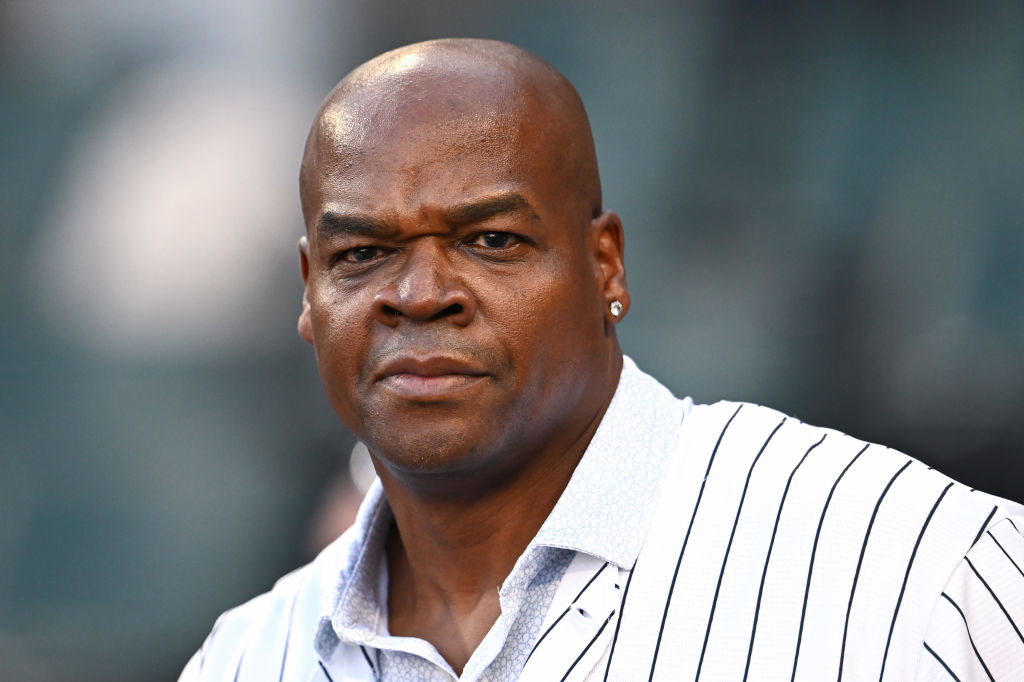
Frank Thomas is taking the Chicago White Sox, Nike, and Fanatics to court, and the heart of the case is pretty simple: he says they made money off his name and legacy without cutting him in. The Hall of Famer filed suit in Cook County, Illinois, alleging that the companies sold White Sox “City Connect 2.0” jerseys using his name and iconic No. 35 without his permission. According to reports on the complaint, Thomas is seeking more than $50,000 in damages and wants a jury trial, making this less about nostalgia and more about control, compensation, and who gets to profit from a legend’s identity.
What makes this hit a little harder is who’s involved. Frank Thomas is not just some former player trying to pop up for attention; he is one of the biggest names in White Sox history, a two-time American League MVP, a Hall of Famer, and still the franchise’s all-time leader in home runs and RBI. So when a team rolls out merch tied directly to his name and number, the average fan might assume that was a respectful, fully approved move. But Thomas’ lawsuit argues the opposite, alleging that the defendants used his identity for commercial gain and were “unjustly enriched” while he received no compensation at all.
-

Silly Games, Pricey Prizes: Ari Fletcher Says She's Suing Akademiks Over Defamatory Dating Gossip—'I'm Taking It To Hell'
-

#RHOP Retraction: Monique Backtracks Audio Allegations Against Stacey Amid Chris Samuels Dating Discussion—'I Wanted To Clear Her Name'
-

Samuel L. Jackson’s ‘Tulsa King’ Spinoff Gets New Name & Moves To Texas
The legal angle here matters too. Thomas’ complaint relies on the Illinois Right of Publicity Act, which protects individuals from having their identities used for commercial purposes without consent. In plain terms, this is not just about a jersey existing; it is about whether a company can slap a retired icon’s name and number on apparel, market it, and cash out without first making a deal with that icon. The lawsuit names other entities as respondents in discovery, suggesting Thomas’ camp is trying to fully trace who knew what, who profited, and whether more defendants could eventually be added.
There is also a deeper layer to this story, as Thomas and the White Sox have had tension before. Multiple reports pointed out that this is not the first time the relationship has gotten messy, with ESPN revisiting the old contract dispute from the early 2000s involving a “diminished skills” clause. That history gives the lawsuit extra edge, because this does not read like some random paperwork fight between friendly partners; it feels like another chapter in a long, uneasy relationship between a franchise and one of the greatest players ever to wear its uniform. The White Sox have said they do not comment on active litigation, while Nike and Fanatics reportedly declined comment.
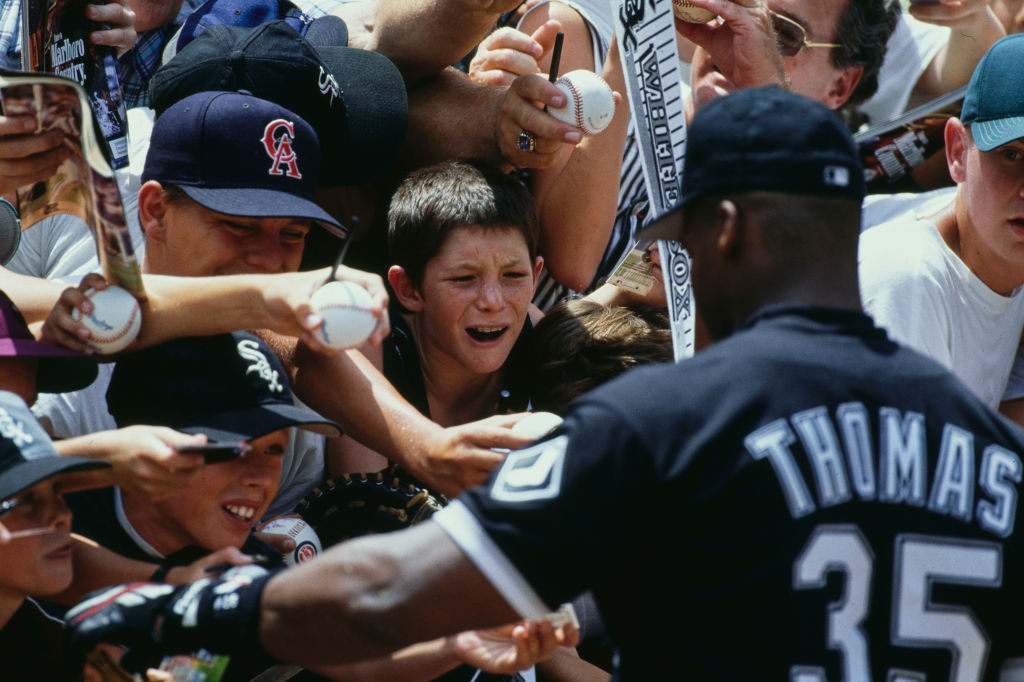
At its core, this whole situation is a reminder that sports legacy is big business, and legends are increasingly paying attention to how their names are used once their playing days are over. Fans see a Frank Thomas jersey and think of history, pride, and South Side greatness; Thomas looks at it and asks who authorized it and who got paid. That is why this lawsuit matters beyond baseball gossip: it sits at the crossroads of athlete branding, corporate licensing, and basic respect for a player whose name still carries weight. However this ends, it is a loud reminder that even in retirement, being “The Big Hurt” still means something, and Thomas clearly is not about to let anybody profit off that for free.
RELATED: Here Are All The Black Managers In The MLB
Breaking Down Frank Thomas’ Lawsuit Against The White Sox, Nike And Fanatics was originally published on cassiuslife.com