Donald Trump & Mike Tyson: A Friendship Timeline
Donald Trump & Mike Tyson: A Friendship Timeline


The Super Bowl has always been about more than just football. It’s a cultural checkpoint — where commercials don’t just sell products, they push narratives, values, and sometimes full-blown ideologies. Every year, brands and organizations fight for attention during those 30-second windows, knowing that a well-placed ad can dominate social media and national conversation for days. This year, one commercial in particular stood out — not because it was funny or flashy, but because it was pointed.
That commercial featured Mike Tyson and centered on a message aligned with the “Make America Healthy Again” (MAHA) movement. The ad focused heavily on the dangers of processed foods, chemicals in everyday products, and what it framed as corporate and government failures in protecting public health. Tyson, once known as the embodiment of excess and chaos, was repositioned as a voice of warning — calling out how modern food systems are quietly making Americans sicker while profits soar. The contrast was intentional and jarring, which is exactly why it worked.
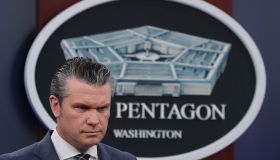


Tyson’s presence gave the message weight. He was not a politician or a wellness influencer promoting clean eating; he was one of the most notorious athletes in American history, someone who had endured the physical consequences of abuse, addiction, and recovery. The commercial leaned into that credibility, suggesting Tyson has seen firsthand what neglecting health can cost. By framing processed food as the enemy, the ad tapped into growing frustration around Big Food, Big Pharma, and the idea that everyday Americans are being poisoned slowly, not dramatically.
That message also ties directly into Donald Trump and the political ecosystem surrounding him. Trump and his allies have increasingly leaned into anti-establishment health rhetoric — skepticism toward regulatory agencies, distrust of food conglomerates, and the belief that elites don’t suffer the same consequences as regular people. The commercial didn’t mention Trump by name, but the alignment was obvious. It spoke to a base already primed to believe the system is rigged, even down to what’s on their plate.
What made the moment especially intriguing is that Tyson’s involvement didn’t feel random or transactional. His appearance wasn’t just about health — it reopened a much longer story about loyalty, ideology, and shared resistance to public criticism. Tyson and Trump’s relationship didn’t start with politics or wellness movements. It started decades ago, in a completely different arena. To understand why this Super Bowl moment landed the way it did, you have to trace their history from the beginning.
Let’s take a look at a timeline of Donald Trump and Mike Tyson’s friendship.
Late 1980s – Early 1990s: The Atlantic City Era
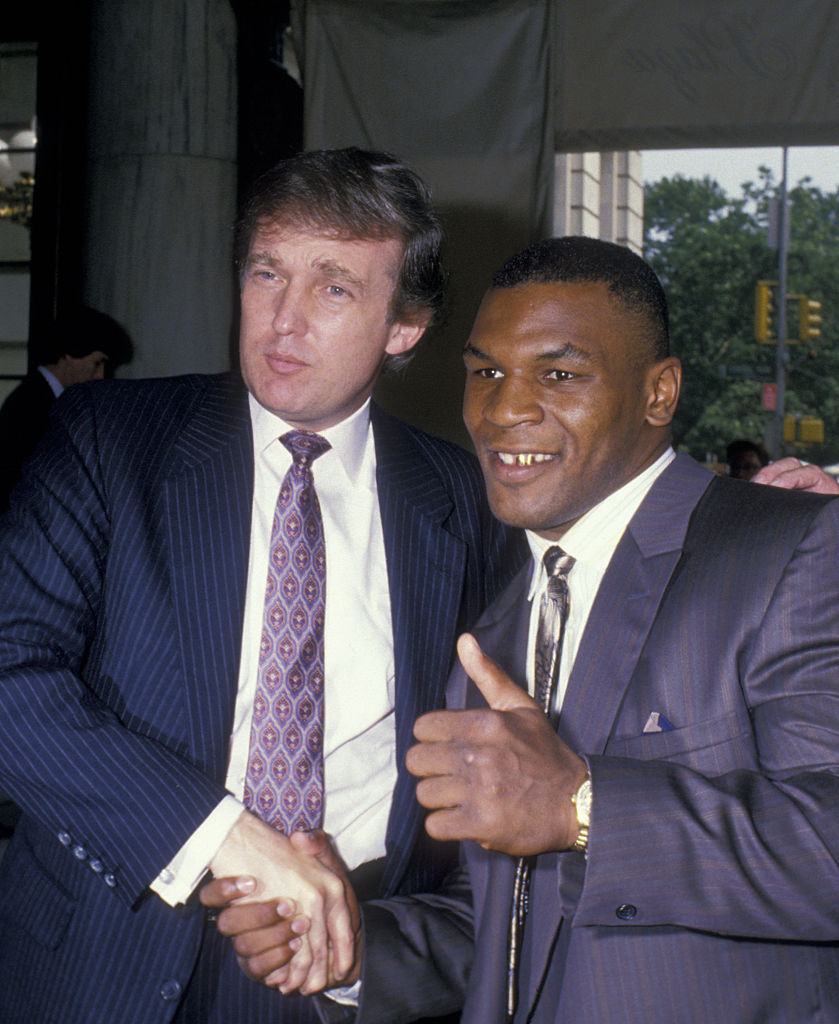
The relationship between Mike Tyson and Donald Trump really began during Tyson’s reign as the most feared man in boxing. At the time, Trump was aggressively building his Atlantic City casino empire and saw Tyson’s box office gold. Trump Plaza became the home base for some of Tyson’s biggest fights, turning boxing events into full-blown spectacle weekends that mixed violence, luxury, and celebrity. It was a mutually beneficial setup: Trump got packed arenas and national attention while Tyson got massive paydays and a glamorous stage.
Early-Mid 1990s: Loyalty Through Chaos
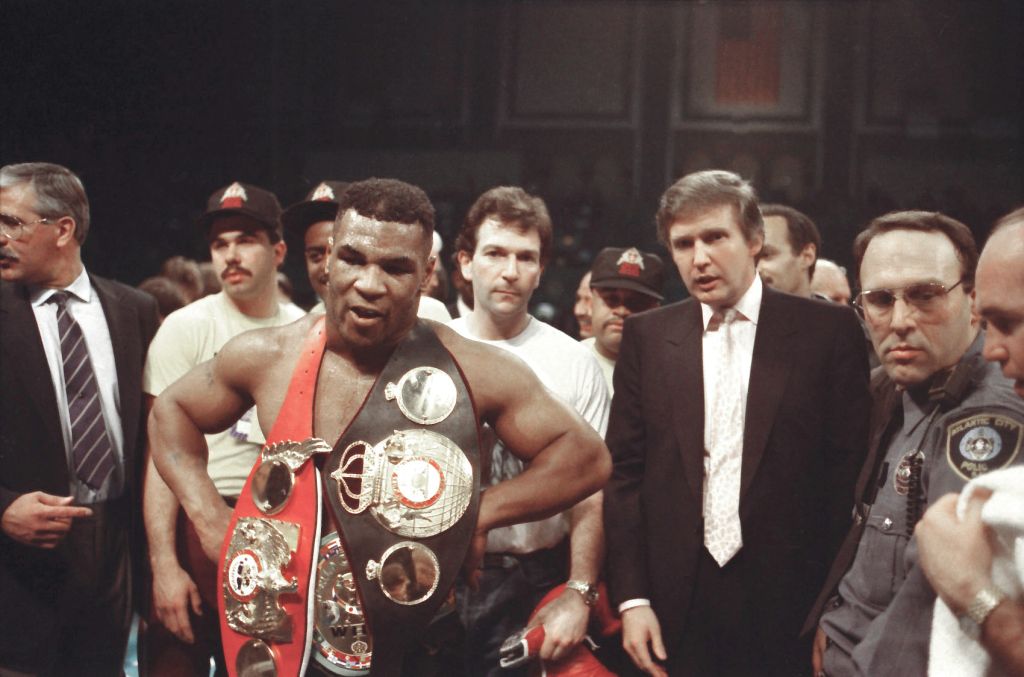
As Tyson’s career started to spiral with legal trouble and controversy, many powerful allies quietly distanced themselves. Trump didn’t. Even as Tyson faced criminal charges and public backlash, Trump continued to speak favorably about him and maintain their relationship. That loyalty mattered — especially in an era when most celebrities were being abandoned the moment their image cracked. This period cemented a bond rooted less in image and more in shared defiance of public opinion.
Late 1990s – 2000s: Public Support Without Apologies
Following Tyson’s conviction and release, Trump was one of the few high-profile figures willing to back him publicly. Trump framed Tyson as a misunderstood figure rather than a fallen star, a narrative that mirrored how Trump often talked about himself. While Tyson’s boxing dominance faded, their relationship didn’t. It quietly shifted from business partners to something closer to ideological allies — two men comfortable living outside mainstream approval.
2015-2016: Trump’s Political Rise
When Trump announced his presidential run, Tyson didn’t hesitate to voice his support. At a time when many athletes avoided politics altogether, Tyson praised Trump’s authenticity and bluntness. The endorsement surprised some but made sense to others who remembered their long history. Tyson wasn’t backing a politician — he was backing someone he knew personally, someone who had stood by him when few others would.
2020s: Alignment, Not Nostalgia
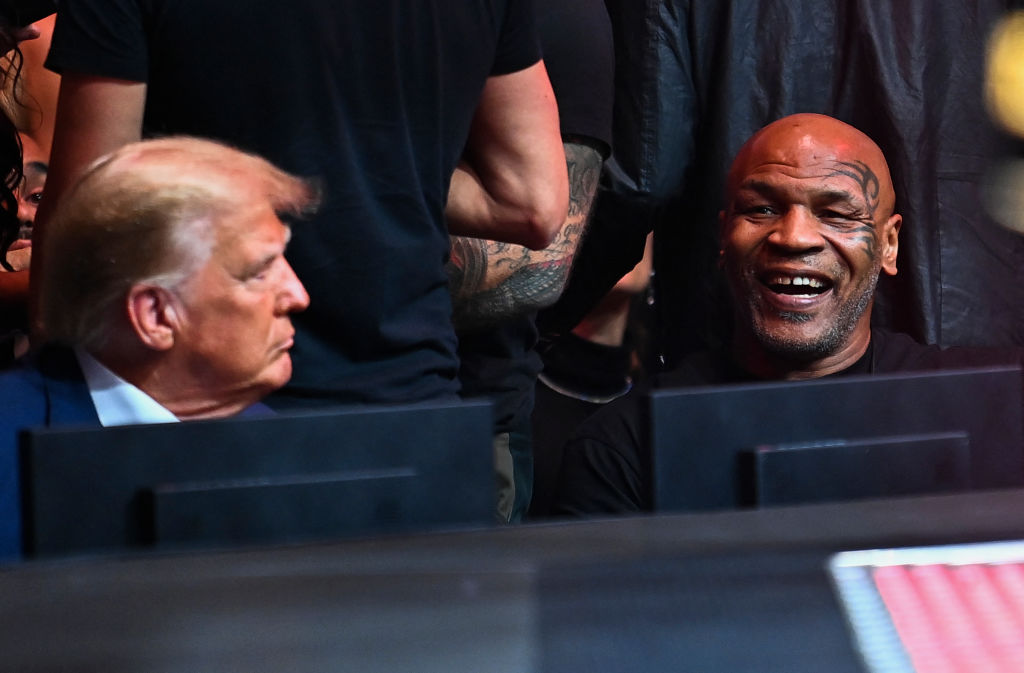
As Trump’s political identity became more polarizing, Tyson’s public comments continued to align with Trump’s worldview around strength, dominance, and resistance to criticism. Their connection no longer felt like a relic of the Atlantic City days — it felt current. That context made Tyson’s appearance in a MAGA-aligned Super Bowl commercial less shocking and more like a continuation of a decades-long relationship that has evolved with the times.
2026: The Super Bowl Moment
Tyson’s Super Bowl commercial didn’t create the Trump connection — it reminded people of it. For viewers unfamiliar with their history, the ad felt random or provocative. For those who knew the timeline, it was simply the latest chapter in a friendship built on loyalty, controversy, and shared defiance of public judgment. What started as a business relationship in boxing arenas has now fully crossed into political symbolism on the biggest media stage in America.
RELATED: Trump & Jake Paul Have MAGA Meltdown Over “Fake American Citizen” Bad Bunny Halftime Show
Donald Trump & Mike Tyson: A Friendship Timeline was originally published on cassiuslife.com