Hidden Messages In The Bad Bunny Halftime Show Performance
Hidden Messages & Easter Eggs In Bad Bunny’s Halftime Show Performance

- The performance included diverse Latino celebrities, honoring the collective nature of the celebration.
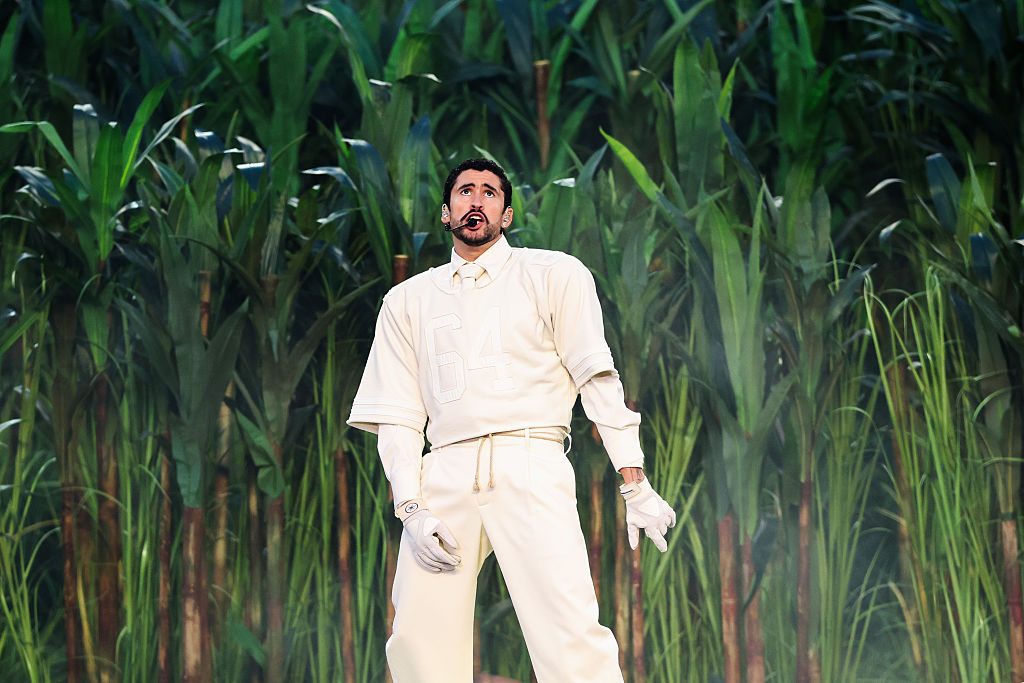
Last night, the long-awaited Bad Bunny Super Bowl halftime show finally went down — and it’s safe to say it was both electrifying and powerful at the same time. Over the course of roughly 13 minutes, the San-Juan-born superstar delivered a spectacle that was equal parts party and purpose. There were chart-topping hits, cinematic visuals, and a cultural celebration that felt like a love letter to his people — but there was so much more than just entertainment beneath the surface.
Like most great performances, this one was layered. The Bad Bunny halftime show wasn’t just trying to have people moving in their seats or in front of their TV screens — he was trying to teach, provoke thought, and send intentional messages to the world. From the imagery on the field to the choice of songs, every detail felt meaningful. Let’s break down some of the hidden messages and easter eggs that made this show an unforgettable moment.
Hidden Celebs Among The Performers


From the jump, the Bad Bunny halftime show included a mix of iconic figures — but not just for star power. Lady Gaga made a surprise appearance in light blue with a flor de maga accent during her performance of “Die With a Smile,” a gesture many saw as supportive and culturally respectful. Pedro Pascal, Jessica Alba, Cardi B, Alix Earle, Karol G, Young Miko, and sports stars like Ronald Acuña Jr., as well as local figures like Toñita from Brooklyn’s Caribbean Social Club, made cameos throughout the set, bringing a real-world feel to the celebration of Latino culture. The inclusion of so many guests felt like a reminder that this moment was bigger than one man — it was a collective celebration of identity.
Meaning Behind The Sugar Canes

Bad Bunny walked out into a field of sugar cane — and that was no accident. Sugar cane dominated Puerto Rico’s agrarian economy for centuries and, for many, stands as a reminder of colonial systems and labor exploitation. It set the tone for a performance deeply rooted in history rather than just spectacle, grounding the stage in real cultural memory and paying homage to his roots.
Meaning Behind The Electric Poles
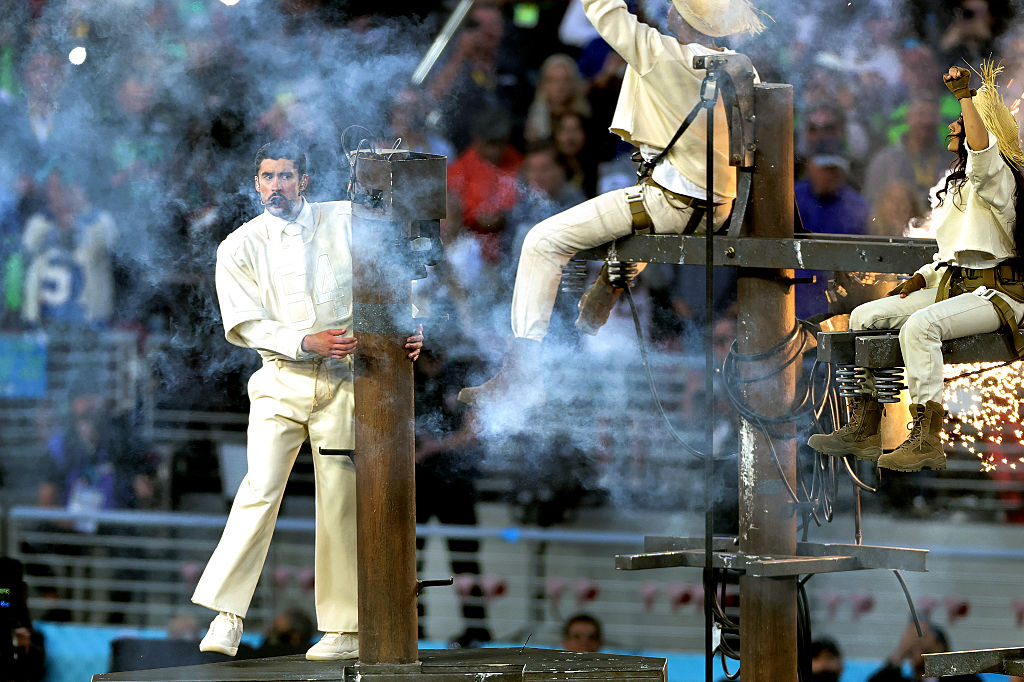
At points in the show, dancers climbed and interacted with electric poles that seemed to spark or crackle before them. Those weren’t just dynamic visuals — they referenced the island’s power grid, frequent power outages, and ongoing infrastructure issues after devastating storms. They became a metaphor for resilience in the face of neglect, and a powerful symbol of Puerto Rico’s continued struggle for stability and dignity.
Young Boy He Gave The Grammy To
One of the most emotionally impactful moments was when Bad Bunny handed his Grammy to a young boy dressed like a younger version of himself. The gesture wasn’t purely symbolic of childhood dreams — it was meant to represent that anyone’s hopes can be pursued, regardless of background. It was a moving way to connect the stage back to real human aspiration.
Holding A Flag With A Lighter Blue Shade
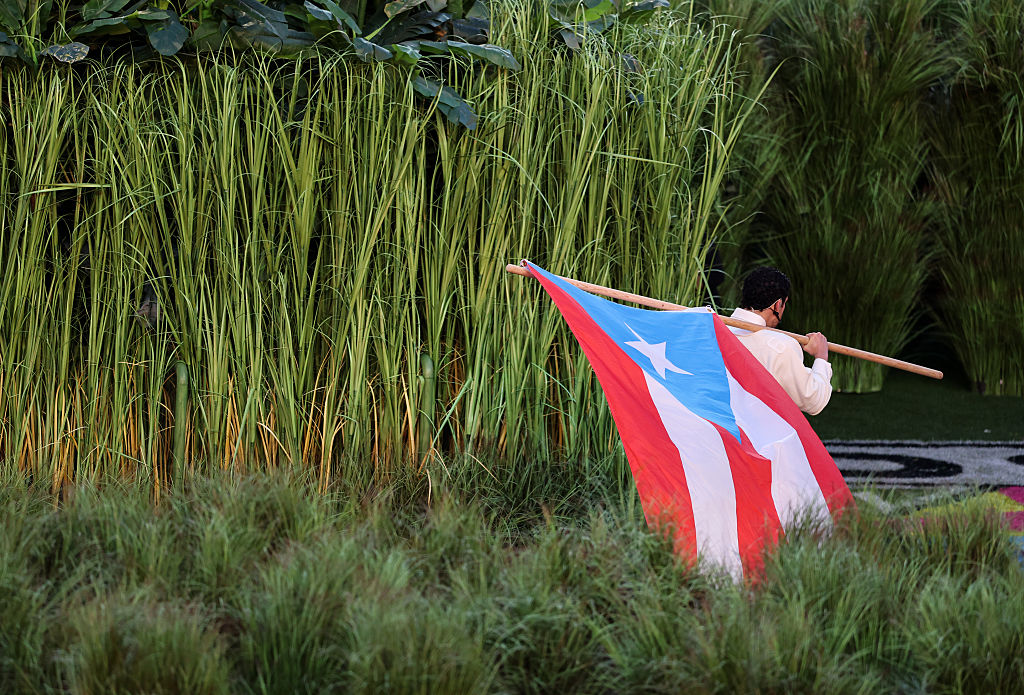
When he raised a Puerto Rican flag with a lighter blue triangle, fans and culture watchers took notice — because that hue is historically associated with the pro-independence movement in Puerto Rico. It’s subtly different from the official flag’s darker blue, and its presence on the world’s biggest live, televised stage felt like a political nod to identity, resistance, and self-determination across generations.
Saying “God Bless America!” In English
Another standout moment was when Bad Bunny said “God Bless America!” — directly in English — while redefining what “America” really means. Rather than limiting “America” to the United States alone, he made it clear he was speaking to all the Americas — from South to Central to North — listing nations in order and ultimately tying them together in unity rather than division. That moment was about inclusion, shared heritage, and solidarity across borders.
Additional Message: Love Over Hate
Beyond individual symbols, a stadium billboard displayed a message that resonated with many viewers: “The only thing powerful than hate is love.” This phrase framed the performance’s broader theme — that cultural pride and unity rise above division. It wasn’t just artistic flair; it was a declaration of purpose.
At the end of the day, the Bad Bunny halftime show wasn’t just another pop spectacle — it was a statement. In roughly 13 unforgettable minutes, he fused music, history, culture, and social commentary into a performance that honored his roots, highlighted struggles, celebrated joy, and invited reflection. Whether you caught it live or watched reactions online, the message was clear: this wasn’t just about beats and lights — it was about identity, unity, and speaking truth on the world’s biggest cultural stage.
Hidden Messages & Easter Eggs In Bad Bunny’s Halftime Show Performance was originally published on cassiuslife.com